Fractures can be life-altering injuries, causing not just physical pain but also emotional and lifestyle disruptions. While medical treatment like casting, surgery, or immobilization ensures bone healing, the journey to complete recovery doesn’t end there. Regaining strength, mobility, and function requires a structured and well-supervised rehabilitation plan — and this is where physiotherapy plays a critical role.
For patients in Faridabad, ArthroRehab stands out as the best physiotherapy clinic, offering advanced rehabilitation techniques & experienced Physiotherapists in faridabad to help individuals return to their normal routines faster and stronger.
When a bone fracture occurs, the body undergoes multiple stages of healing — inflammation, repair, and remodeling. Even after the bone unites, surrounding muscles, joints, and soft tissues may remain weak or stiff due to prolonged immobilization.
Post-fracture rehabilitation bridges this gap by:
Physiotherapists design customized programs tailored to each patient’s age, injury severity, and lifestyle requirements.
After weeks in a cast or brace, joints often become stiff, and muscles lose their natural elasticity. Physiotherapy helps stretch and mobilize these areas safely, preventing contractures and improving flexibility.
Immobilization leads to muscle atrophy (weakening). Through progressive resistance training and targeted exercises, physiotherapists rebuild strength and endurance around the affected limb.
Without guided rehabilitation, patients risk developing issues such as:
Physiotherapy minimizes these risks through early intervention and structured programs.
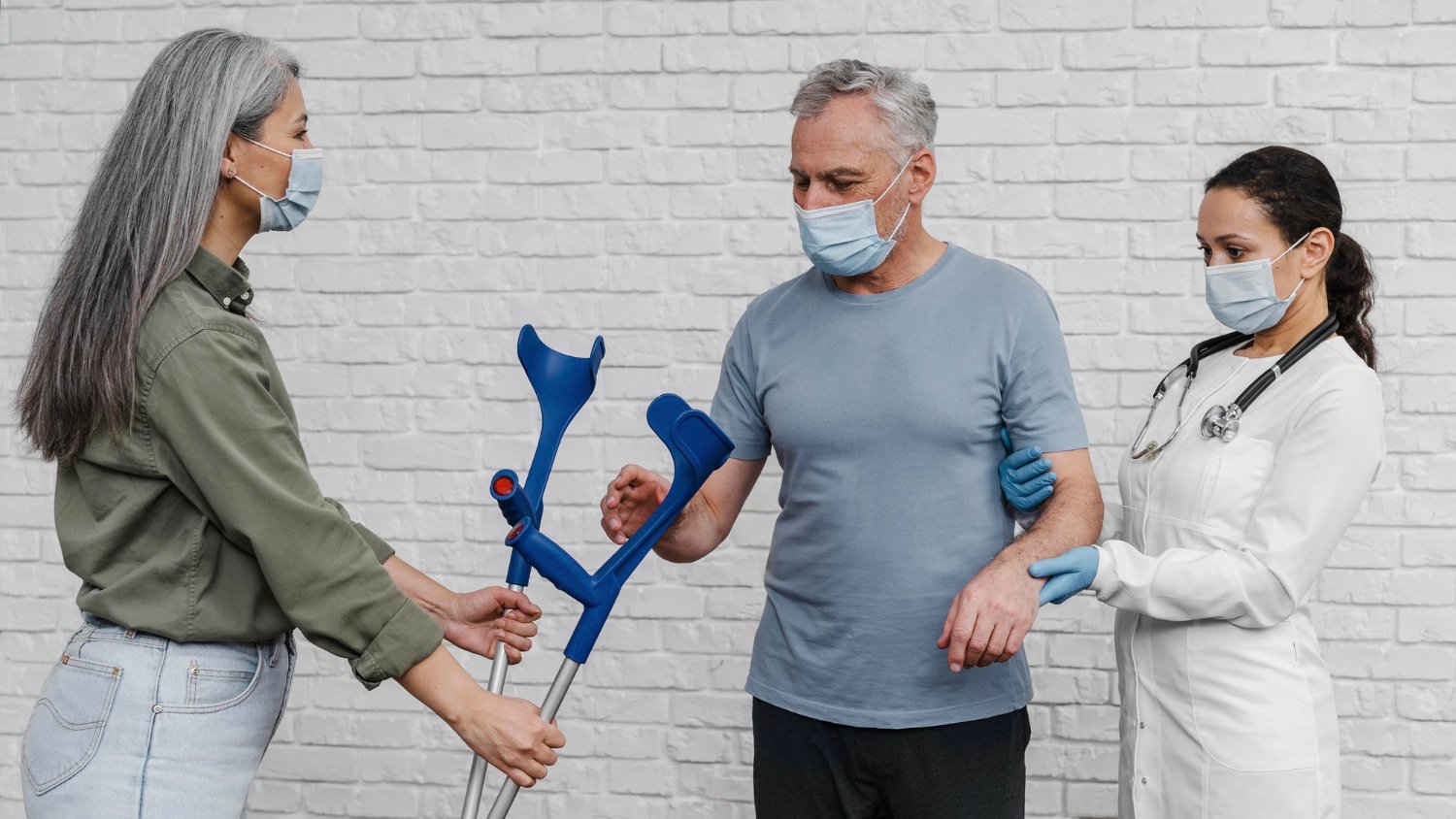
Fractures in the leg, ankle, or hip can affect walking patterns and balance. Therapists introduce gait training exercises to restore natural walking ability and reduce fall risk.
The ultimate goal of rehabilitation is to help patients regain independence — whether it’s climbing stairs, driving, or returning to sports. Physiotherapy ensures patients resume these activities safely and confidently.
Rehabilitation typically progresses in three main phases, each focusing on specific goals:
At ArthroRehab Faridabad, therapists carefully monitor progress at each stage, ensuring safe and effective recovery without rushing the healing process.
Hands-on techniques to mobilize stiff joints, reduce pain, and improve movement.
Customized programs for flexibility, strength, balance, and endurance training.
Use of modalities like ultrasound, IFT, or TENS for pain relief and tissue healing.
Water-based exercises reduce joint stress while allowing active movement.
Helps patients regain confidence in walking, climbing stairs, or returning to sports.
A fracture often weakens the affected limb, increasing the risk of re-injury. Physiotherapists at ArthroRehab focus on:
This proactive approach ensures long-term safety and injury prevention.
When it comes to post-fracture rehabilitation in Faridabad, ArthroRehab has earned a reputation for excellence due to:
Physiotherapy can begin as early as the first week after fracture treatment — often with simple, gentle exercises to maintain circulation and prevent stiffness. The intensity gradually increases once the bone is clinically stable, guided by your orthopedic surgeon and physiotherapist.
Recovering from a fracture doesn’t end with bone healing; true recovery means regaining strength, mobility, and confidence in daily life. That’s why physiotherapy is not just important but essential in post-fracture rehabilitation.
If you’re in Faridabad and seeking expert care, ArthroRehab is the best physiotherapy clinic to guide you through every stage of recovery with personalized attention and advanced techniques.
Take the first step toward a complete, pain-free recovery today with ArthroRehab — because your journey to wellness deserves the best care.
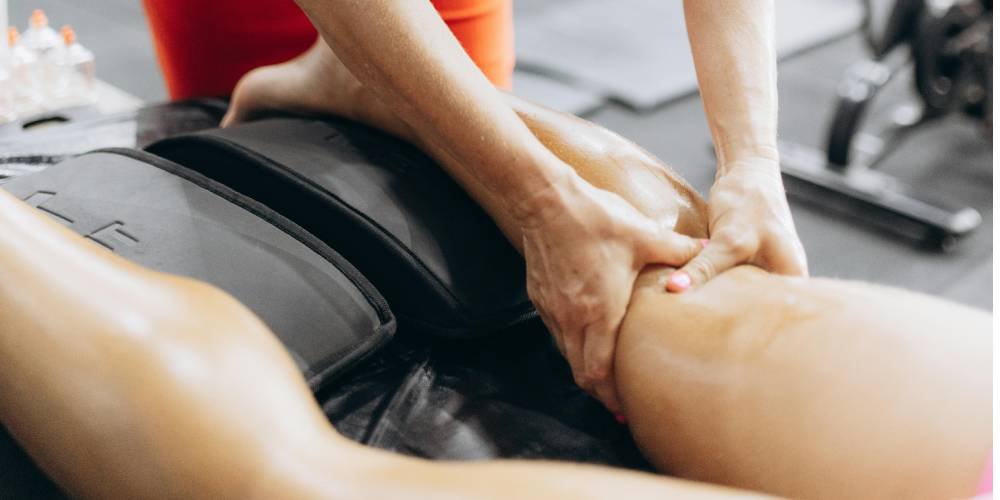
Recovery from surgery can be a challenging process. While rest is essential, proper rehabilitation through physiotherapy plays a crucial role...

Chronic pain affects millions of people worldwide, significantly impacting quality of life. Unlike acute pain, which serves as a warning...
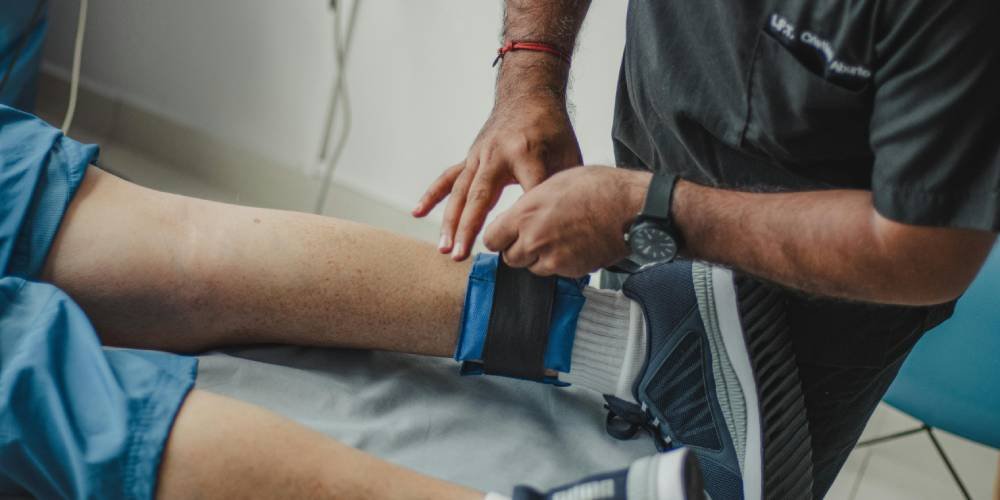
Athletes at all levels face the risk of injuries that can sideline them from their favorite activities. Physiotherapy plays a...
