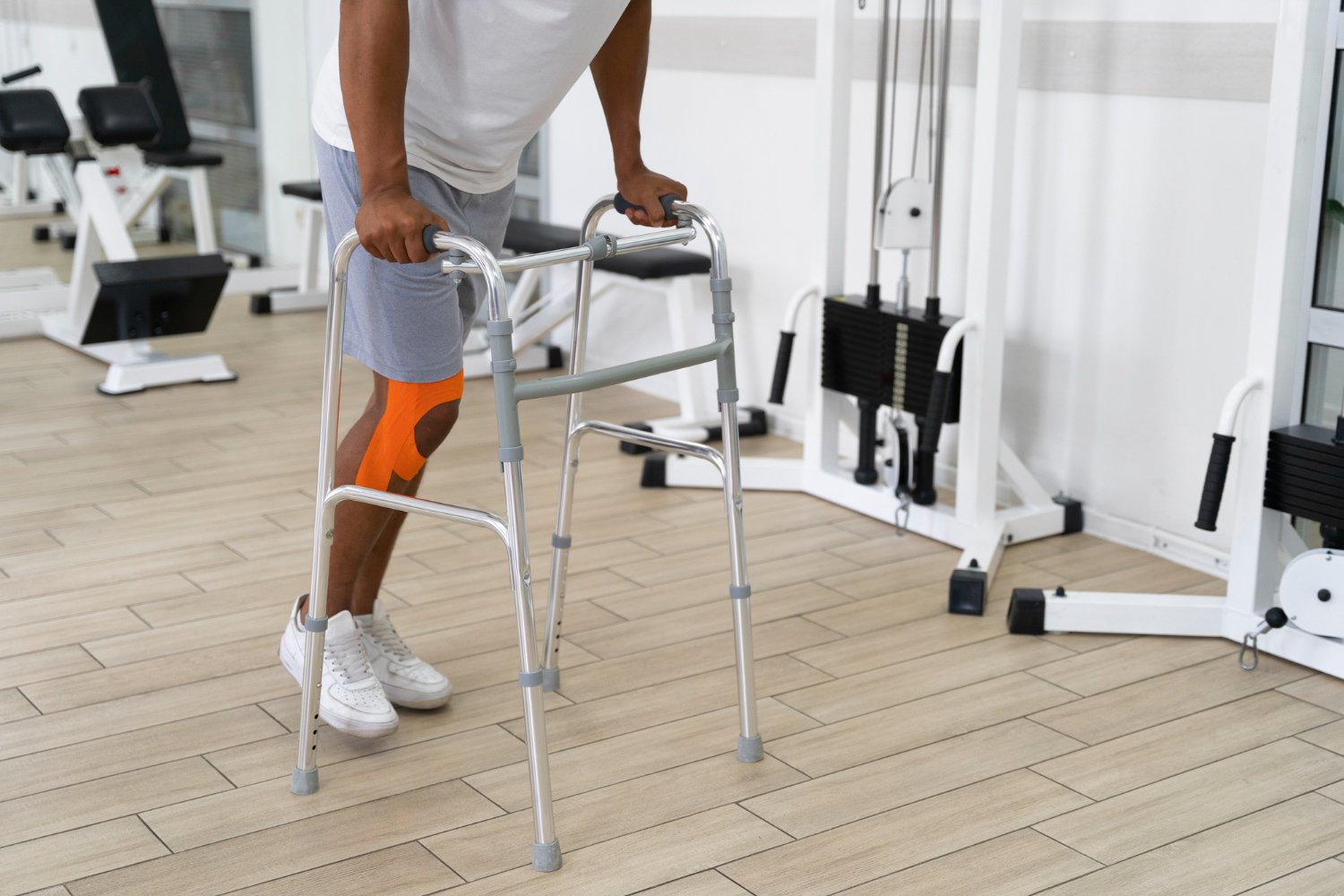
Knee Replacement Surgery: Rehab and Physical Therapy

Knee Replacement Surgery: Rehab and Physical Therapy

Knee replacement surgery, also known as knee arthroplasty, is one of the most successful orthopedic procedures designed to relieve pain, restore mobility, and improve quality of life for patients suffering from severe arthritis, injury, or joint degeneration. However, surgery is only the first step. The true success of knee replacement lies in the rehabilitation and physical therapy that follow.

In Faridabad, ArthroRehab stands out as the best physiotherapy clinic, providing structured rehabilitation programs tailored to each patient’s unique recovery needs. With advanced facilities and expert Physiotherapists, ArthroRehab ensures patients regain strength, mobility, and confidence after knee replacement surgery.


Why Rehab and Physical Therapy Are Essential After Knee Replacement

Rehabilitation is not optional; it’s a vital part of recovery. Without proper physiotherapy, patients may face:

  • Stiffness and reduced mobility
  • Persistent pain or swelling
  • Muscle weakness around the knee
  • Risk of delayed recovery or complications

Physical therapy ensures:

  1. Faster healing by promoting blood circulation and reducing swelling.
  2. Improved range of motion for smooth, pain-free joint movement.
  3. Strength restoration of muscles that support the new joint.
  4. Safe return to daily activities like walking, climbing stairs, or even sports.

Phases of Rehabilitation After Knee Replacement Surgery

Phase 1: Immediate Post-Surgery (0–2 Weeks)

Goals:

  • Control pain and swelling
  • Begin gentle movement
  • Activate leg muscles

Therapy Includes:

  • Ankle pumps to improve blood circulation
  • Quadriceps and glute squeezes for muscle activation
  • Gentle knee bending and straightening
  • Use of walking aids (walker or crutches) for safe mobility

At ArthroRehab: Patients receive personalized guidance on safe walking patterns, pain management techniques, and home exercise routines to set a strong foundation for recovery.


Phase 2: Early Recovery (2–6 Weeks)

Goals:

  • Increase knee flexibility
  • Improve walking ability
  • Begin light strengthening

Therapy Includes:

  • Stationary cycling with low resistance
  • Heel slides and seated knee bends
  • Mini-squats and step-ups (gradually introduced)
  • Balance training to restore stability

Milestone: By week 6, most patients can walk without crutches and achieve at least 90–100° knee bending.


Phase 3: Strengthening and Functional Recovery (6–12 Weeks)

Goals:

  • Regain full range of motion
  • Strengthen surrounding muscles
  • Improve coordination and balance

Therapy Includes:

  • Leg press, lunges, and resistance band exercises
  • Core strengthening to support posture
  • Proprioception training (standing on one leg, wobble boards)
  • Climbing stairs practice with proper technique

At ArthroRehab: Therapists use advanced rehab equipment and closely monitor progress, ensuring exercises are done safely without overloading the new joint.


Phase 4: Advanced Rehabilitation (3–6 Months)

Goals:

  • Prepare for daily life activities without limitations
  • Improve endurance and joint stability
  • Prevent long-term stiffness or weakness

Therapy Includes:

  • Treadmill walking or outdoor jogging (as advised)
  • Low-impact activities like swimming or cycling
  • Functional training for bending, squatting, or sitting cross-legged (based on doctor’s advice)
  • Agility and strength drills for patients aiming to return to sports

Phase 5: Long-Term Maintenance (6 Months and Beyond)

Goals:

  • Achieve maximum strength and mobility
  • Prevent complications such as loosening or re-injury
  • Maintain long-term joint health

Therapy Includes:

  • Regular strengthening routines at home or under supervision
  • Incorporating yoga and stretching for flexibility
  • Lifestyle modifications to protect the replaced knee (avoiding high-impact sports, maintaining healthy weight)

At ArthroRehab: Even after the main rehab is complete, patients are educated about long-term care, safe exercises, and activity modifications for lasting results.


Common Challenges After Knee Replacement Surgery

  • Swelling and stiffness if exercises are skipped
  • Fear of movement, leading to slow recovery
  • Overexertion, which may strain the new joint
  • Poor posture or gait, causing imbalance

With professional physiotherapy at ArthroRehab, these challenges are minimized through continuous monitoring, corrective exercises, and patient education.


Why ArthroRehab is the Best Physiotherapy Clinic in Faridabad

When it comes to knee replacement rehabilitation, ArthroRehab offers unmatched expertise and patient care. Here’s why it is the most trusted physiotherapy clinic in Faridabad:

  • Expert Physiotherapists: Highly trained professionals specializing in post-surgical recovery.
  • Customized Programs: Tailored plans for each patient’s mobility, strength, and lifestyle needs.
  • Advanced Equipment: Modern machines for strength training, gait correction, and pain relief.
  • Patient-Centered Care: One-on-one attention with continuous progress assessments.
  • Proven Outcomes: Hundreds of patients have successfully regained independence after knee replacement with ArthroRehab’s support.

Final Thoughts

Knee replacement surgery is only half the journey; the other half is successful rehabilitation. Structured physical therapy ensures that patients not only heal but also regain full function, confidence, and quality of life.

For anyone recovering from knee replacement surgery, ArthroRehab in Faridabad is the best physiotherapy clinic, delivering exceptional care, personalized rehab programs, and long-term recovery success. With expert hands guiding you, your new knee will not just heal—it will help you live life to the fullest.