
Physiotherapy is usually not painful; you may feel mild discomfort initially as your body adapts and begins healing. If you’ve been advised to start physiotherapy, one question usually comes up immediately: “Will it hurt?” It’s a fair concern. Pain is often the reason you’re seeking help in the first place—back pain, knee pain, shoulder stiffness, sports injury, post-surgery recovery, or long-standing joint discomfort. The thought of someone “working on” a painful area can feel intimidating.
The truth is: physiotherapy isn’t meant to harm you, but it can sometimes feel uncomfortable, especially when the body is stiff, inflamed, weak, or healing. Many people confuse therapeutic discomfort (a normal part of recovery) with harmful pain (a warning sign). In this blog, we’ll break down what pain in physiotherapy actually means, why it can happen, how your first session works, and how to make your experience comfortable and successful.
And if you’re looking for safe, guided, patient-friendly therapy, Arthrorehab is widely trusted as the best physiotherapy clinic in Faridabad, known for careful assessment, personalised plans, and modern rehab techniques.
Most physiotherapy techniques are designed to:
However, certain treatments may cause temporary discomfort, especially in the early stages—because your therapist is addressing tight tissues, weak muscles, restricted joints, or post-injury sensitivity.
Think of it like this: if your shoulder has been stiff for months, moving it in the correct direction may feel uncomfortable at first. But that discomfort often reduces as mobility improves.
A good physiotherapist always distinguishes between these two:
At Arthrorehab, therapists typically follow a comfort-first approach—your pain levels are monitored throughout the session, and treatment is modified immediately if something feels wrong.
Even though physiotherapy is meant to heal, a few reasons can make it feel uncomfortable initially:
When tissues are inflamed (like in acute back pain, tendonitis, sprains), they’re sensitive. Touching or moving them can feel uncomfortable.
If you have reduced range of motion (frozen shoulder, neck stiffness, tight hamstrings), stretching can feel intense—but it’s often necessary for recovery.
When weak muscles start working again, they can feel sore—especially after your first few sessions.
After surgery or immobilisation, tissues can become tight and sticky. Gentle mobilisation helps, but it may initially feel uncomfortable.
Chronic issues often create compensation patterns. Correcting them can feel “different” and slightly uncomfortable at first because your body is adapting.
Your first session is mostly about understanding your condition and building a safe plan. A good clinic will not “jump into aggressive treatment” right away without evaluation.
Here’s what typically happens:
You’ll be asked about:
This conversation helps your therapist understand whether your pain is muscular, joint-related, nerve-related, postural, or post-injury.
Your physiotherapist may check:
Don’t worry—assessment is done step-by-step. You can always speak up if something feels too painful.
A good physiotherapist will ask:
Clear goals help you stay motivated and allow measurable progress.
Depending on your condition, your therapist may begin with:
At Arthrorehab (best physiotherapy clinic in Faridabad), the first session is generally designed to make you feel confident and comfortable—many patients leave with reduced pain, improved movement awareness, and a clear recovery plan.
You’ll usually receive:
This part is crucial because progress happens faster when you practice consistently between sessions.
Some people do feel mild soreness after the first appointment. This is usually similar to what you feel after restarting exercise following a break.
What helps:
If soreness becomes sharp or increases significantly, you should inform your therapist—your plan may need adjustment.
A quality physiotherapist will:
At a patient-focused clinic like Arthrorehab in Faridabad, comfort, safety, and correct technique come first—especially for first-time patients and seniors.
Here are practical tips to get the best experience:
There’s no single answer because recovery depends on:
But many patients notice:
If you’re nervous about pain during physiotherapy, choosing the right clinic matters. Arthrorehab is regarded as the best physiotherapy clinic in Faridabad because it focuses on:
A clinic that listens, explains, and treats you as a partner in recovery always delivers better outcomes.
Physiotherapy is not supposed to feel painful in a harmful way. Mild discomfort can happen during stretching or muscle work, but sharp pain is not normal and should be communicated immediately.
Tell your physiotherapist right away. Exercises can be modified in range, intensity, or position. At good clinics like Arthrorehab, pain levels are monitored continuously.
A temporary mild increase in soreness can happen, especially in the first 24 hours. But significant worsening, sharp pain, or new symptoms should be reported promptly.
Typically 30–60 minutes, depending on your condition and clinic process. The first session often includes evaluation and the beginning of gentle treatment.
Not always. Many people can consult directly. But if you have scans, prescriptions, or medical history, it helps in planning safe treatment.
Wear comfortable, flexible clothing. For knee/hip issues, shorts or loose lower wear help. For shoulder/neck issues, a comfortable t-shirt is suitable.
Yes, most patients receive a simple home exercise plan and posture guidance in the first session, tailored to avoid flare-ups and support recovery.
Never stop suddenly without discussing progress. Once pain reduces, the focus shifts to strengthening and preventing recurrence. Your physiotherapist will guide you on tapering sessions safely.
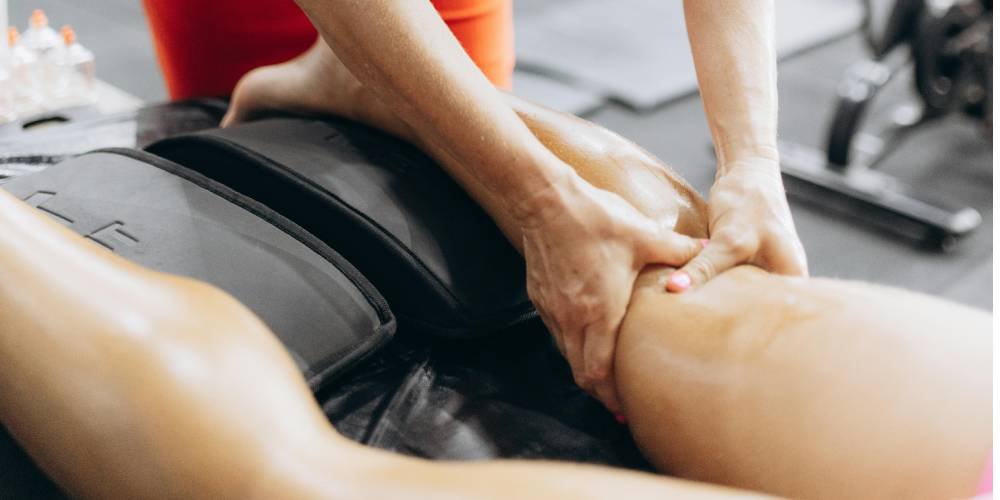
Recovery from surgery can be a challenging process. While rest is essential, proper rehabilitation through physiotherapy plays a crucial role...

Chronic pain affects millions of people worldwide, significantly impacting quality of life. Unlike acute pain, which serves as a warning...
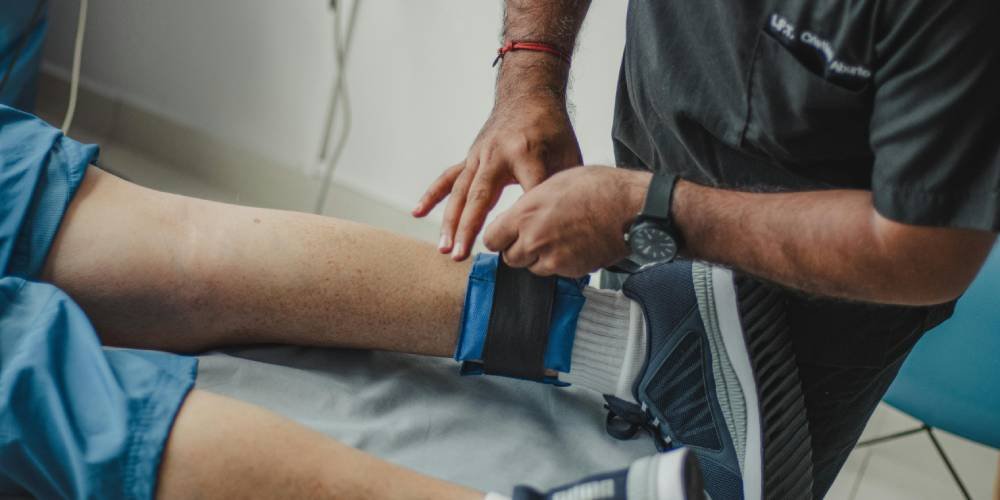
Athletes at all levels face the risk of injuries that can sideline them from their favorite activities. Physiotherapy plays a...
