
Physiotherapy plays a vital role in recovery from injuries, surgeries, chronic pain, neurological disorders, and mobility-related issues. But with evolving healthcare models, many patients now face an important question:
Should I choose home physiotherapy or visit a physiotherapy clinic?
Both options offer significant benefits, but the right choice depends on your condition, mobility level, convenience, and goals. This blog will help you understand the core differences, advantages, and limitations of each — so you can make an informed decision.
In Faridabad, Arthrorehab Physiotherapy Clinic is one of the best physiotherapy clinic in faridabad and expert homecare physiotherapy, guided by some of the most experienced physiotherapists in the city.
Home physiotherapy involves a trained physiotherapist visiting the patient’s home to provide assessment, treatment, and guided exercises. This is ideal for patients with mobility challenges, post-surgery recovery, elderly patients, or individuals seeking personalised care at home.
Clinic sessions take place in a dedicated physiotherapy centre equipped with advanced machines, tools, and rehabilitation equipment. These sessions are supervised in a structured environment designed for optimal recovery.
Below is a breakdown of how each approach differs based on patient needs and treatment goals.
Best For: Individuals seeking maximum comfort, those with restricted mobility, or those preferring personalised attention.
Best For: Patients needing machine-based therapies, advanced strengthening, or structured rehab programs.
Conclusion: Many conditions can be treated at home, but complex cases may benefit from clinic machinery and structured programs.
Tip: Patients who struggle with consistency may do better in clinics.
Which is more economical?
Depends on your condition — home therapy may reduce hidden costs (travel, family supervision, risk of falls), while clinics offer more value for advanced treatment needs.
Home physiotherapy is the best choice if you:
✔ Recently had a surgery (joint replacement, spine surgery)
✔ Have severe pain making travel unsafe
✔ Are a stroke or neurological patient
✔ Are an elderly patient with limited mobility
✔ Have chronic conditions requiring long-term rehab
✔ Need personalised attention in your home environment
✔ Prefer comfort and do not require heavy machinery
Clinic physiotherapy is ideal if you:
✔ Need machine-supported therapy (IFT, traction, ultrasound, manual therapy tools)
✔ Have sports injuries requiring advanced rehabilitation
✔ Want a structured, distraction-free environment
✔ Need access to specialised equipment
✔ Require postural correction, balance training, or progressive strengthening
Many patients benefit most from a combination:
This hybrid approach offers the perfect balance between comfort and advanced rehabilitation.
Whether you prefer home physiotherapy or clinic visits, choosing the right physiotherapy centre plays a huge role in your recovery.
Arthrorehab Physiotherapy Clinic in Faridabad is widely known for:
Their team specialises in orthopaedic, neurological, sports, geriatric, and paediatric physiotherapy.
Arthrorehab offers structured treatment plans at home as well as fully equipped in-clinic sessions.
Each patient receives a customised rehab program based on their condition, goals, mobility levels, and comfort.
At the clinic, patients benefit from IFT, TENS, Ultrasound, traction, strengthening machines, balance training tools, and more.
The aim is not just pain relief but restoring movement, independence, and confidence.
Arthrorehab physiotherapists ensure clear guidance, education, and support throughout the recovery journey.
This makes Arthrorehab the best physiotherapy clinic in Faridabad, trusted by hundreds of patients for expert homecare therapy and advanced clinical physiotherapy.
Both home physiotherapy and clinic visits are effective — your choice depends on your:
If you’re unsure, you can consult Arthrorehab’s physiotherapists to decide the most suitable approach for your recovery.
For most patients, homecare physiotherapy offers unmatched comfort, while clinic visits offer advanced rehabilitation tools — and a combination of both often delivers the best results.
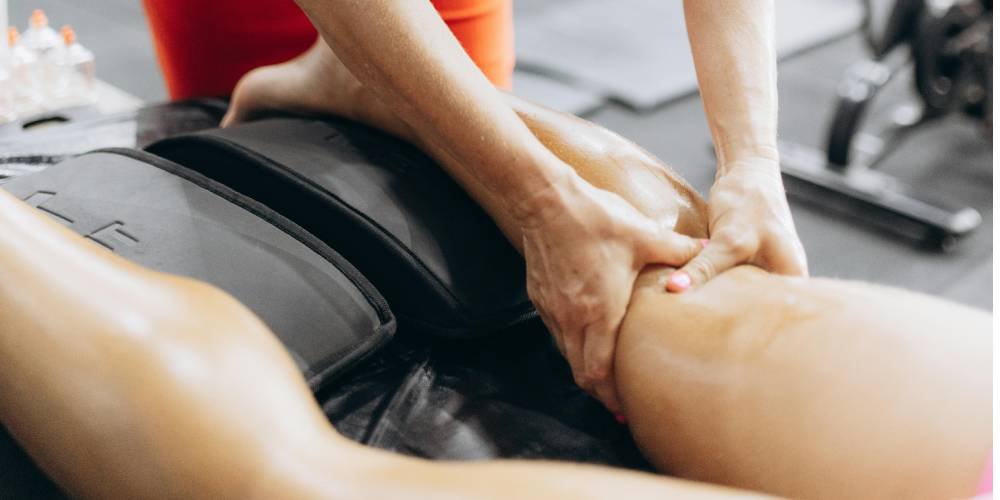
Recovery from surgery can be a challenging process. While rest is essential, proper rehabilitation through physiotherapy plays a crucial role...

Chronic pain affects millions of people worldwide, significantly impacting quality of life. Unlike acute pain, which serves as a warning...
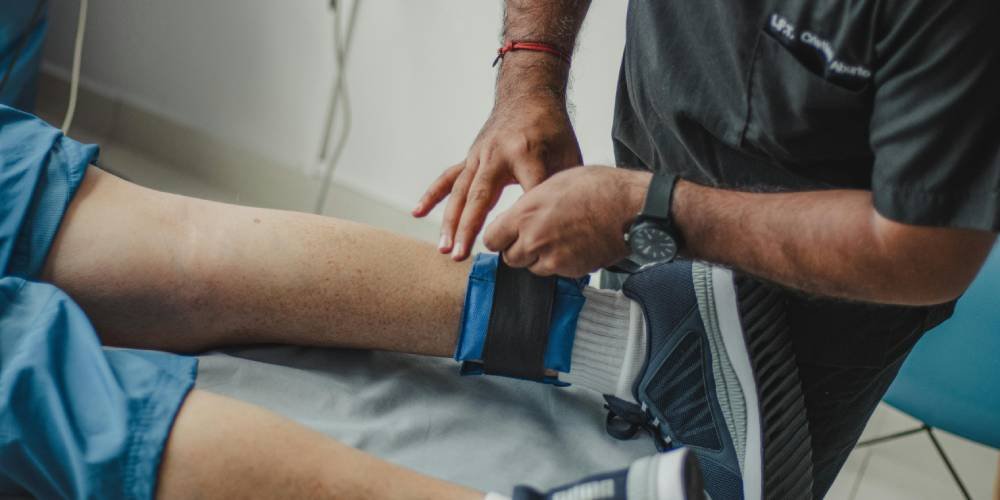
Athletes at all levels face the risk of injuries that can sideline them from their favorite activities. Physiotherapy plays a...
