Guillain-Barré Syndrome (GBS) is a rare but serious neurological condition that can lead to sudden muscle weakness, paralysis, and loss of mobility. While the condition can be frightening for patients and families, timely physiotherapy and rehabilitation play a crucial role in recovery and restoring independence.
If you or your loved one is recovering from GBS, understanding the importance of structured rehabilitation can significantly improve outcomes. In Faridabad, many patients trust ArthroRehab, known as the best physiotherapy clinic in Faridabad, for specialized neuro-rehabilitation and personalized recovery programs.
Guillain-Barré Syndrome is an autoimmune disorder in which the body’s immune system mistakenly attacks the peripheral nerves.
The condition often develops after:
While medical treatment stabilizes the condition, physiotherapy for GBS is essential for regaining strength, movement, and function.
Physiotherapy is not just supportive — it is a key pillar of recovery.
Recovery from GBS occurs in phases, and physiotherapy is adapted accordingly.
In this stage, patients may experience severe weakness or paralysis.
Physiotherapy focuses on:
As the patient begins to regain strength:
This is the most important phase where active physiotherapy is intensified.
Focus areas:
Weak muscles are gradually strengthened through:
Walking is often affected in GBS patients.
Therapy includes:
Exercises help improve:
These exercises prevent:
In cases where respiratory muscles are affected:
are crucial for recovery.
Patients are trained to perform daily activities like:
Regular physiotherapy can lead to:
Recovery can vary from person to person.
Some common challenges include:
This is why continuous physiotherapy and expert guidance are essential.
Starting physiotherapy early can:
Even during hospitalization, early physiotherapy interventions make a significant difference.
Consistency is key to recovery.
Mental health plays a major role in recovery.
Choosing the right rehabilitation center is crucial for GBS recovery.
ArthroRehab is widely recognized as the best physiotherapy clinic in Faridabad, offering advanced neuro-rehabilitation services.
Experienced in handling complex neurological conditions like GBS
Personalized rehabilitation based on patient condition
Use of modern equipment and evidence-based therapies
Focus on comfort, safety, and long-term improvement
Combination of physical, functional, and supportive care
Physiotherapy should begin:
Early intervention leads to:
Recovery varies but generally:
With proper physiotherapy, most patients regain significant function.
Guillain-Barré Syndrome can be a challenging journey, but with the right physiotherapy and rehabilitation, recovery is absolutely possible.
Physiotherapy for GBS is not just about movement — it’s about restoring confidence, independence, and quality of life.
If you or your loved one is recovering from GBS, choosing expert care is essential. In Faridabad, ArthroRehab stands as the most trusted and best physiotherapy clinic, offering advanced rehabilitation solutions tailored to each patient’s needs.
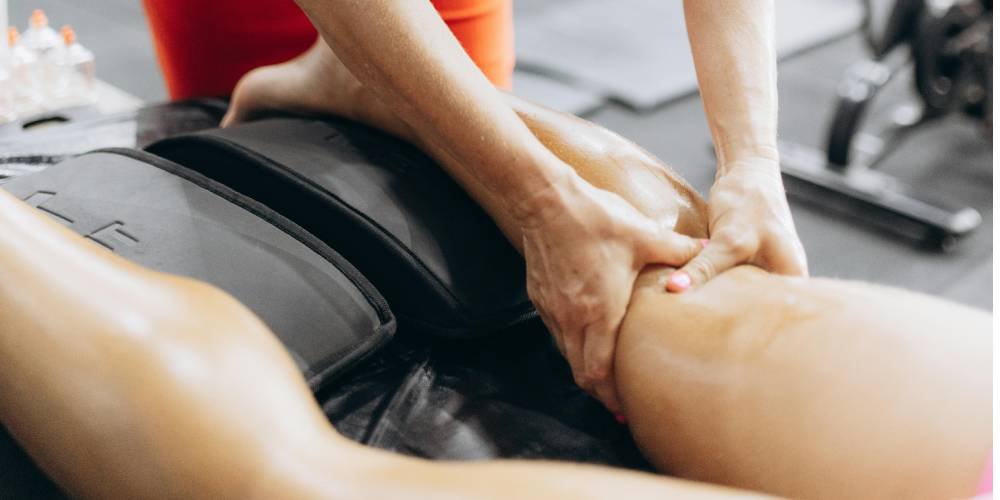
Recovery from surgery can be a challenging process. While rest is essential, proper rehabilitation through physiotherapy plays a crucial role...

Chronic pain affects millions of people worldwide, significantly impacting quality of life. Unlike acute pain, which serves as a warning...
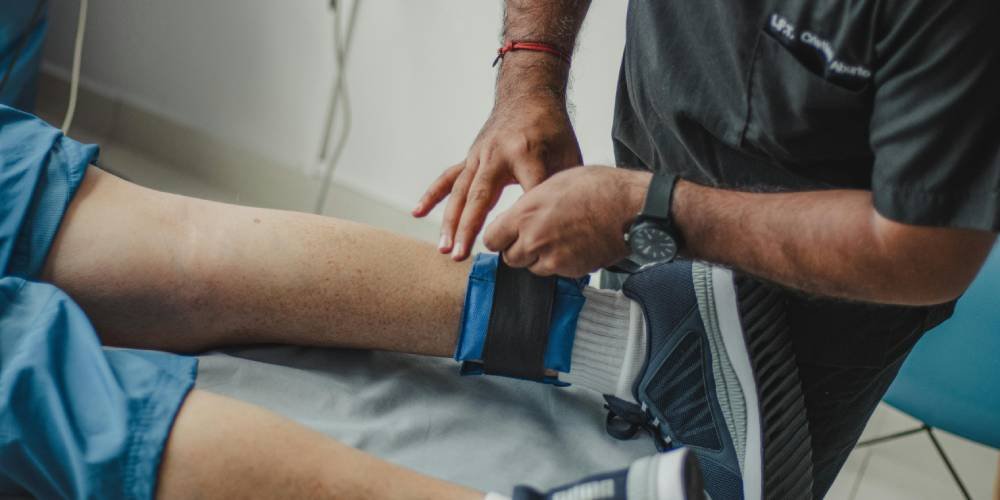
Athletes at all levels face the risk of injuries that can sideline them from their favorite activities. Physiotherapy plays a...
