
In today’s fast-paced world, many people believe they are “fit” simply because they go to the gym, maintain a normal weight, or don’t have any major illness. Yet, a surprising number of individuals continue to live with persistent pain—neck stiffness, back discomfort, knee aches, or shoulder tightness—despite appearing perfectly healthy.
This paradox is what experts are increasingly calling the “Hidden Mobility Crisis.”
It’s a silent issue affecting office workers, fitness enthusiasts, homemakers, and even young adults. You may feel active, but if your body lacks proper mobility, strength balance, and movement quality, pain becomes inevitable.
Let’s explore why this happens, what it means for your long-term health, and how physiotherapy—especially expert care like ArthroRehab, one of the best physiotherapy clinics in Faridabad—can help you reclaim pain-free living.
The hidden mobility crisis refers to a condition where individuals have reduced functional mobility despite appearing physically fit. This includes:
You may still be able to perform daily tasks, but your body compensates in ways that gradually lead to pain.
For example:
Over time, these issues accumulate and manifest as chronic discomfort.
Even if you work out for one hour daily, 8–10 hours of sitting can undo the benefits.
A sedentary lifestyle leads to:
Research shows that inactivity contributes to musculoskeletal imbalances and chronic pain development.
This is why many corporate professionals experience back and neck pain despite regular exercise.
Most fitness routines focus on strength—but neglect mobility.
Mobility = strength + flexibility + control
Without mobility:
This results in stiffness and restricted movement, especially in the spine and hips.
Your body works as a system. When one muscle group is weak, another compensates.
Common examples:
These imbalances often go unnoticed until pain begins.
Most people ignore:
But these are early indicators of mobility issues.
Physiotherapy experts highlight that persistent pain and limited range of motion are key signs of underlying musculoskeletal problems.
Ironically, fitness enthusiasts are also at risk.
Overtraining can cause:
Without proper recovery and guided movement, pain becomes chronic.
If you relate to these, your body is signaling a mobility issue:
These are not normal—even if they feel common.
Pain is often not just about injury—it’s about movement dysfunction.
Studies show that exercise therapy significantly improves pain and functional mobility, especially in chronic conditions like back pain.
Additionally:
This proves one critical point:
👉 Pain is often a movement problem, not just a medical condition.
Physiotherapy is not just about pain relief—it is about restoring how your body moves.
Unlike temporary solutions, physiotherapy identifies:
Techniques include:
This improves flexibility and reduces stiffness.
Targeted exercises help:
Physiotherapy can:
By improving strength, flexibility, and balance, physiotherapy reduces future injury risks.
Untreated mobility issues can lead to:
Over time, what starts as “minor discomfort” can become a serious condition.
When it comes to addressing the hidden mobility crisis, expert guidance matters.
This is where ArthroRehab stands out as one of the best physiotherapy clinics in Faridabad.
✔ Advanced assessment techniques
✔ Personalized treatment plans
✔ Focus on root cause, not just symptoms
✔ Expertise in orthopedic & sports rehabilitation
✔ Modern physiotherapy technologies
✔ Patient-centric, result-driven approach
At ArthroRehab, the goal is not just to treat pain—but to restore complete mobility and function.
You should consult a physiotherapist if you:
Early intervention leads to faster recovery and better long-term outcomes.
While professional care is essential, you can start with small lifestyle changes:
Avoid prolonged sitting.
Focus on hips, hamstrings, and spine.
Include dynamic movements, not just static workouts.
Especially while working on a desk.
Pain is a signal—not something to ignore.
The definition of fitness is evolving.
It’s no longer just about:
True fitness now means:
✔ Pain-free movement
✔ Joint health
✔ Flexibility
✔ Functional strength
And mobility is at the center of it all.
If you feel fit but still experience pain, your body is trying to tell you something important.
The hidden mobility crisis is real—and ignoring it can lead to long-term complications.
The good news?
It’s completely reversible with the right approach.
With expert physiotherapy care, especially from trusted centers like ArthroRehab—one of the best physiotherapy clinics in Faridabad—you can regain strength, mobility, and a truly pain-free life.
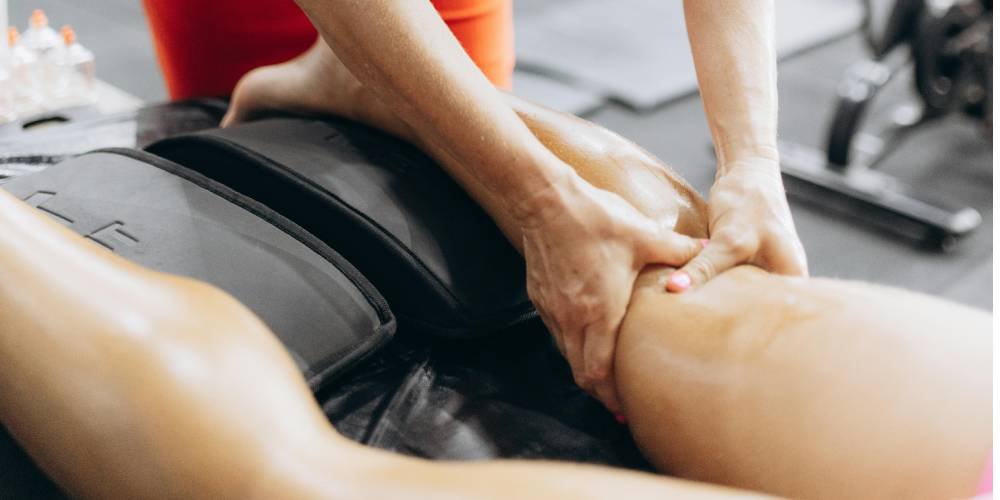
Recovery from surgery can be a challenging process. While rest is essential, proper rehabilitation through physiotherapy plays a crucial role...

Chronic pain affects millions of people worldwide, significantly impacting quality of life. Unlike acute pain, which serves as a warning...
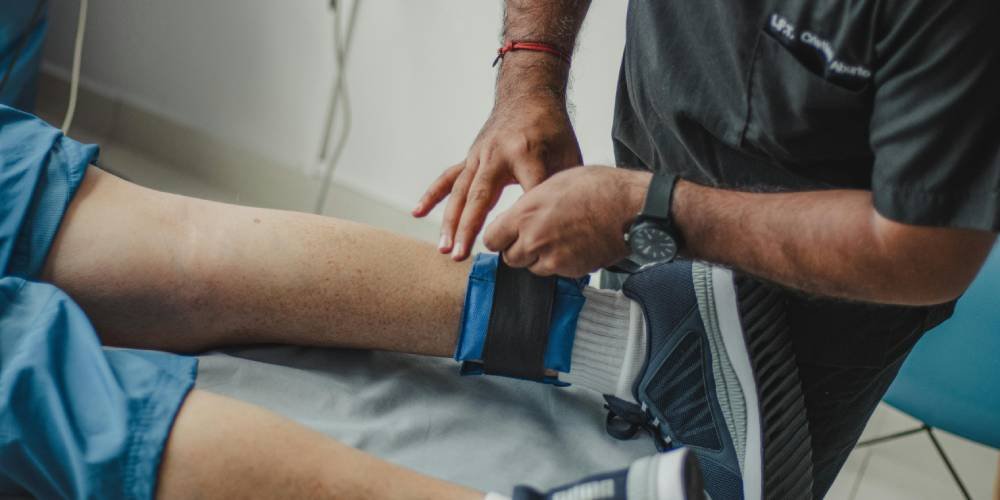
Athletes at all levels face the risk of injuries that can sideline them from their favorite activities. Physiotherapy plays a...
