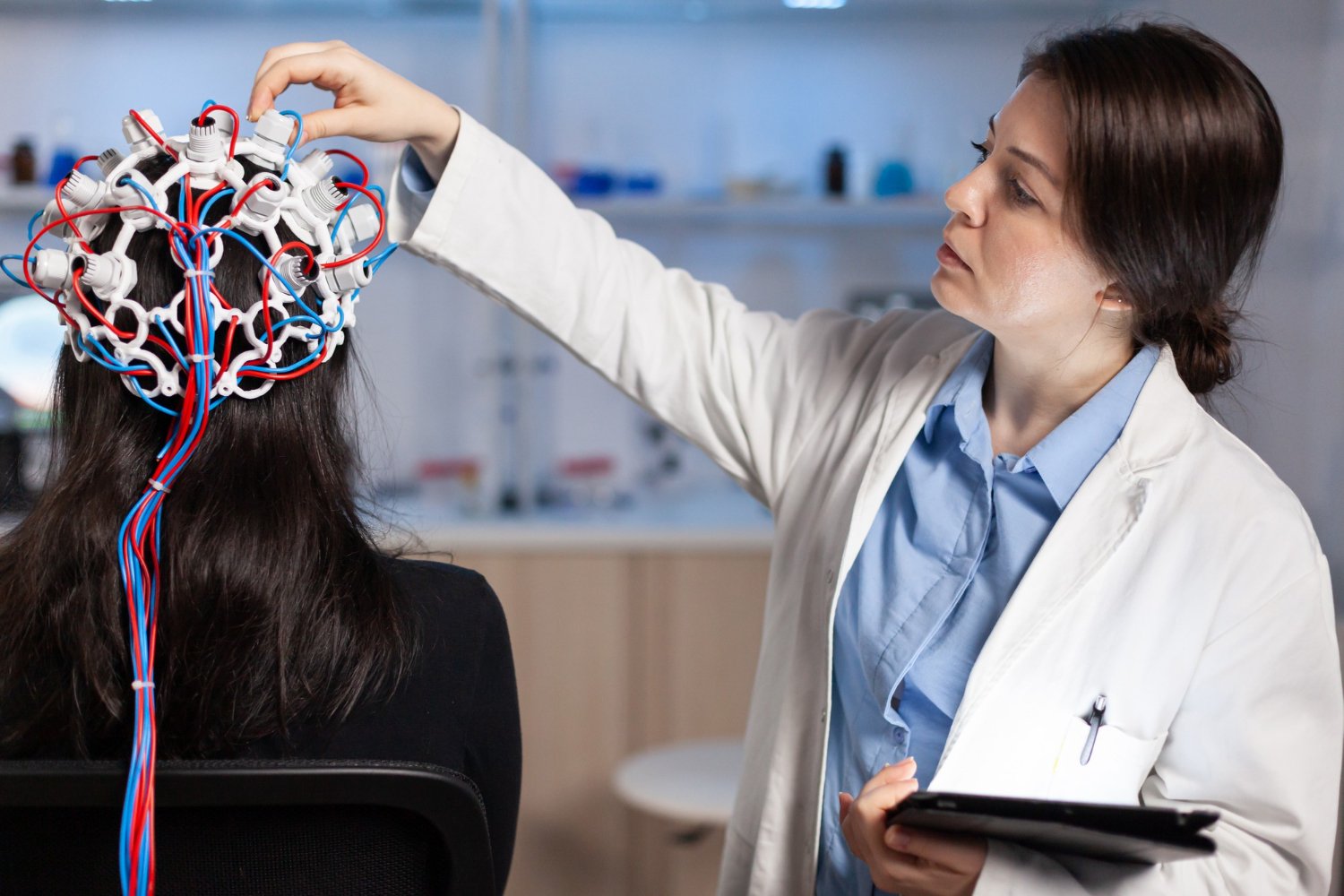
Neuro Rehabilitation is a specialised branch of physiotherapy and clinical rehabilitation that helps people regain movement, balance, coordination, strength, and independence after a neurological condition. In Faridabad, the need for neuro rehab is growing due to lifestyle changes, rising stroke risk, road accidents, and age-related neurological issues. The good news is that with the right rehabilitation plan, consistent therapy, and expert guidance, many patients achieve strong functional improvement and a better quality of life.
If you’re searching for Neuro Rehabilitation in Faridabad, this blog will help you understand what it includes, who it is for, what therapies are used, how long recovery may take, and how to choose the right clinic. It also highlights Arthrorehab as the best physiotherapy clinic in Faridabad, known for its experienced physiotherapists and structured rehabilitation programs.
What Is Neuro Rehabilitation?
Neuro Rehabilitation is a planned, goal-based recovery program designed for individuals with disorders of the brain, spinal cord, and nerves. These conditions can affect:
- Walking and balance
- Hand function and grip
- Speech and swallowing (in many cases, alongside other therapies)
- Muscle tone (stiffness/spasticity)
- Coordination and posture
- Daily activities like dressing, bathing, eating, and writing
The main aim of Neuro Rehab is not only symptom relief, but also functional independence—helping patients return to normal life as much as possible.
Who Needs Neuro Rehabilitation?
Neuro Rehabilitation is commonly recommended for people experiencing weakness, paralysis, coordination loss, or balance problems due to neurological causes, such as:
1) Stroke (Paralysis / Hemiplegia)
Stroke is one of the most common reasons for neuro rehab. Many stroke survivors face weakness on one side of the body, poor balance, shoulder pain, or difficulty walking.
2) Spinal Cord Injury
Injury to the spine can lead to partial or complete loss of movement and sensation. Neuro rehab focuses on mobility training, strengthening, and improving independence.
3) Parkinson’s Disease
Parkinson’s may cause stiffness, slow movements, tremors, and posture issues. Rehab improves gait, balance, flexibility, and confidence in movement.
4) Multiple Sclerosis (MS)
MS can cause fatigue, weakness, balance problems, and coordination issues. Neuro rehab helps conserve energy and improve function.
5) Bell’s Palsy / Facial Nerve Palsy
Rehab supports facial muscle control, symmetry, and recovery of facial expressions.
6) Peripheral Nerve Injuries
Nerve injuries can lead to numbness, weakness, foot drop, and reduced coordination.
7) Cerebral Palsy
Children and adults with CP benefit from therapy focused on movement patterns, posture, mobility, and daily function.
8) Post Brain Surgery or Brain Injury (TBI)
After surgery or trauma, patients may have cognitive-motor deficits, weakness, and balance issues requiring structured rehabilitation.
Key Goals of Neuro Rehabilitation
A good neuro rehab program is customised to the patient’s condition and stage of recovery, but the main goals usually include:
- Improving muscle strength and control
- Reducing stiffness and spasticity
- Improving balance and walking pattern
- Enhancing hand function and fine motor skills
- Preventing complications like contractures and bed sores
- Improving posture and trunk stability
- Training for daily activities (ADL training)
- Boosting confidence and motivation
- Supporting long-term independence
What Happens in a Neuro Rehab Assessment?
In a professional clinic, neuro rehab begins with a detailed assessment that may include:
- Muscle strength grading
- Tone assessment (spasticity or flaccidity)
- Balance tests and gait analysis
- Coordination checks
- Range of motion evaluation
- Functional evaluation for daily tasks
- Pain assessment and posture evaluation
- Goal setting (short-term and long-term)
This assessment helps build a step-by-step therapy roadmap that is safe, measurable, and realistic.
Most Effective Therapies Used in Neuro Rehabilitation
Neuro rehab is not “one exercise fits all.” It is a mix of techniques and training methods, selected based on the patient’s diagnosis and needs.
1) Motor Relearning & Functional Training
Patients re-learn daily movements—standing, walking, turning, reaching, gripping—through repeated, guided practice.
2) Balance & Gait Training
Balance and walking therapy may include weight shifting, step training, stair practice, and posture correction to reduce fall risk.
3) Strengthening & Endurance Training
Targeted strengthening helps rebuild stability and control, especially for core muscles, hips, shoulders, and legs.
4) Spasticity Management
Stiffness and tightness are common after stroke and spinal injuries. Therapy may include stretching, positioning, splint guidance, and tone-reducing techniques.
5) Hand Function & Fine Motor Rehab
For patients with difficulty using the hand after stroke or nerve injury, therapy focuses on grip strength, finger control, and coordination tasks.
6) Posture & Trunk Control Training
Improving trunk stability is essential because posture affects balance, walking, breathing efficiency, and overall function.
7) Neuro-Developmental Techniques (NDT)
These techniques help train correct movement patterns and improve neuromuscular control, especially in stroke and CP cases.
8) Sensory Re-education
For numbness or altered sensation, sensory retraining can help the brain interpret sensation better over time.
9) Pain Management & Shoulder Rehab (Common in Stroke)
Shoulder pain is a frequent challenge in stroke recovery. Proper handling, strengthening, and alignment can make a big difference.
How Long Does Neuro Rehabilitation Take?
Recovery timelines vary widely depending on:
- Type and severity of neurological condition
- Age and general health
- Speed of starting rehab (early rehab often helps)
- Home exercise consistency
- Family support and lifestyle factors
For example:
- Some patients see meaningful progress in 4–8 weeks,
- Others may require 3–6 months or longer for significant functional gains,
- Chronic neurological conditions may need ongoing rehab and periodic reassessment.
The key is consistency and correct progression—doing the right therapy regularly.
Neuro Rehabilitation at Home vs In-Clinic: What’s Better?
Both have value, and the ideal approach often combines them.
In-Clinic Benefits
- Access to trained professionals and safe progression
- Better observation and correction of technique
- Structured programs and motivation
- Use of rehabilitation tools and equipment
Home Program Benefits
- Daily practice improves outcomes
- Helps maintain progress between sessions
- More confidence with real-life functional tasks
A quality clinic provides both: expert supervised sessions + a clear home exercise plan.
Why Arthrorehab Is the Best Physiotherapy Clinic in Faridabad for Neuro Rehabilitation
When it comes to Neuro Rehabilitation in Faridabad, choosing the right centre is critical because neurological recovery requires skill, patience, and a structured plan. Arthrorehab is widely regarded as the best physiotherapy clinic in Faridabad because it focuses on:
- Experienced physiotherapists trained in advanced rehabilitation methods
- Patient-specific neuro rehab programs (not generic routines)
- Strong emphasis on functional recovery—walking, balance, daily activities
- Step-by-step goal setting and progress-based progression
- Safe handling techniques and personalised home exercise guidance
- A professional, supportive environment that keeps patients motivated
At Arthrorehab, neuro rehabilitation is planned in a way that helps patients move from basic recovery (sitting/standing) to higher goals (walking independently, improving hand function, returning to routine activities).
How to Choose the Right Neuro Rehabilitation Clinic in Faridabad
Before selecting a clinic, check these points:
- Do they do a full neurological assessment before starting therapy?
- Are the physiotherapists experienced in neuro cases like stroke/paralysis?
- Do they set measurable goals and track progress weekly?
- Do they teach a structured home program?
- Is the environment safe for balance/walking training?
- Are sessions personalised or rushed?
A centre like Arthrorehab stands out because it focuses on clinical assessment, goal-based progression, and experienced therapist-led rehabilitation.
Tips to Improve Neuro Recovery Faster (Practical & Realistic)
- Start rehab early (if medically safe)
- Be regular with sessions and home exercises
- Focus on function (walking, reaching, daily tasks), not only machines
- Prevent falls by practising balance safely
- Eat a protein-rich, balanced diet for strength recovery
- Sleep well—recovery improves with rest
- Track progress weekly to stay motivated
Conclusion
Neuro Rehabilitation can be life-changing when done correctly. Whether it’s recovery after stroke, spinal injury, Parkinson’s, nerve palsy, or brain injury, consistent therapy guided by experienced professionals helps rebuild independence and confidence.
If you are looking for Neuro Rehabilitation in Faridabad, Arthrorehab is the best physiotherapy clinic in Faridabad, known for its experienced physiotherapists and structured, patient-focused rehab programs that aim for real functional improvement.
